

Commentary
Rym Momtaz, ed.
{
  "authors": [
    "Rym Momtaz"
  ],
  "type": "commentary",
  "blog": "Strategic Europe",
  "centerAffiliationAll": "",
  "centers": [
    "Carnegie Endowment for International Peace",
    "Carnegie Europe"
  ],
  "englishNewsletterAll": "",
  "nonEnglishNewsletterAll": "",
  "primaryCenter": "Carnegie Europe",
  "programAffiliation": "",
  "regions": [
    "Europe",
    "Western Europe",
    "France",
    "Middle East",
    "Israel",
    "Lebanon"
  ],
  "topics": [
    "EU",
    "Foreign Policy"
  ]
}
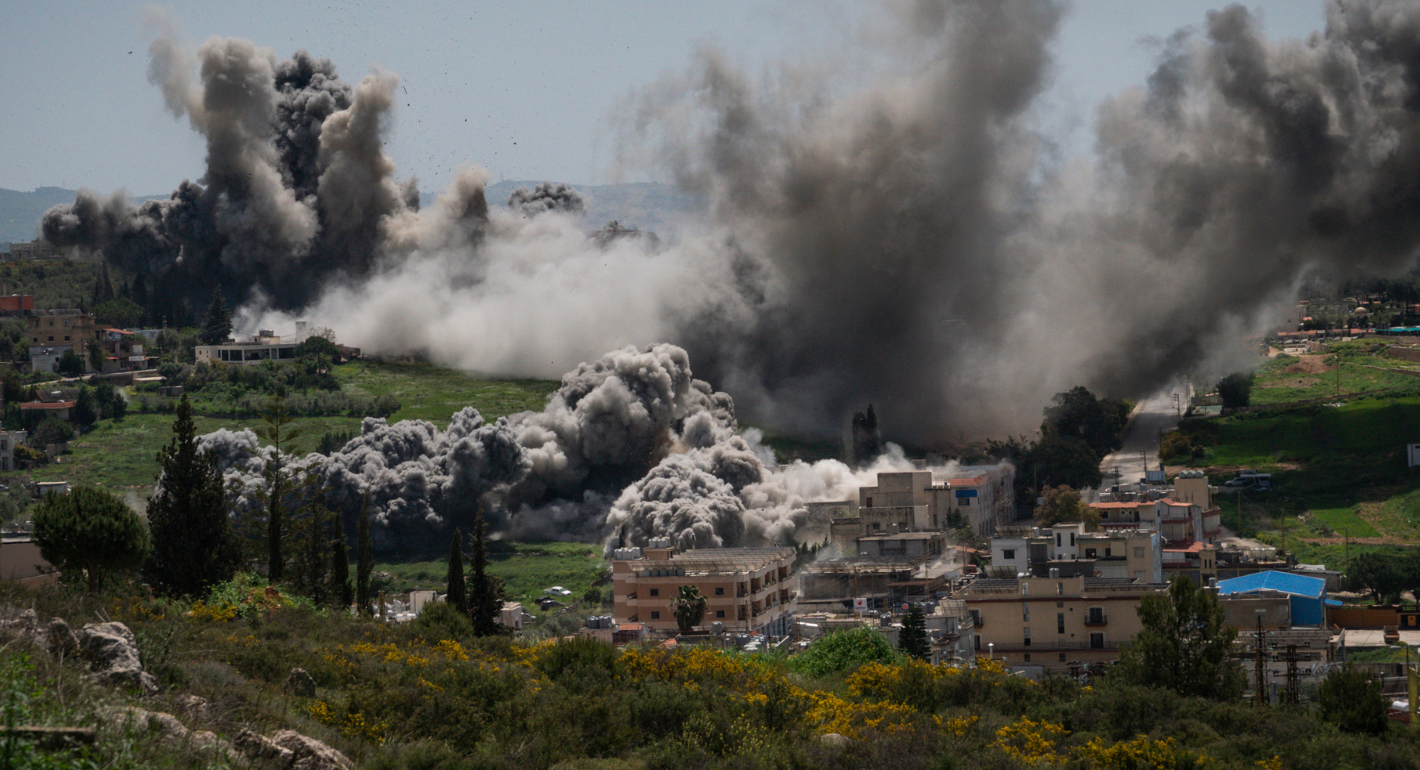
Source: Getty
Europe has been standing by while its Southern neighborhood is being redrawn by force. To establish a path to peace between Israel and Lebanon, it’s time for Europeans to get involved with hard power.
In the time EU member states have been debating whether to suspend the bloc’s association agreement with Israel, the country has forcibly displaced two million Palestinians in Gaza, quasi-annexed the West Bank, and occupied 6 percent of Lebanon’s territory.
With the return of power politics and the unbridled use of force as the organizing principle of international relations, the EU’s drawn-out and consensus-seeking deliberative process is out of sync with the speed of reality. It has gone from being the welding that enabled once-warring countries to share in a stable and prosperous peace to the gridlock that sidelines Europe, preventing it from shaping its most immediate strategic environment.
On the issue of Israel and the Middle East, the weight of the horrors of Europe’s own history with the Holocaust has compounded the difficulty to find consensus. But that can no longer be an excuse for inaction. The associated cost of Europe’s strategic interests in terms of stability, counterterrorism, migration, or energy security, is now tremendous.
Europeans aren’t condemned to be witless bystanders. In Lebanon, France, Italy, and Spain can resurrect Europe’s standing and reverse its erasure, provided they find the political will to be bold. These countries could form the nucleus of a new international military force, operating with robust rules of engagement, that kinetically upholds international law and concepts of sovereignty, territorial integrity, and the state’s monopoly over arms. It would defend these concepts so dear to the EU instead of continuing the approach of issuing perfunctory statements that only increase the contempt both Iran and Israel express for Europe.
This trio already has nearly 2,000 troops deployed on the ground, effectively constituting the European backbone of the UN Interim Force in Lebanon (UNIFIL). And the scale of the conflict is commensurate with their abilities. Paris, Rome, and Madrid shouldn’t wait for UNIFIL’s mandate to expire at the end of 2026 to transform their posture.
Lebanon faces an urgent double existential threat. First from Israel, which is now occupying 6 percent of the country—the equivalent of California or Texas in the United States, or Normandy in France—after having razed entire villages to the ground and poisoned the agricultural land with white phosphorous, while prominent Israeli cabinet ministers speak of establishing settlements in southern Lebanon. The other existential threat comes from Iran and its tool Hezbollah, who have sacrificed Lebanon for decades in Tehran’s quest to establish a balance of terror with Israel.
In the meantime, UNIFIL troops have been sitting ducks, repeatedly targeted by both Hezbollah and Israel without the ability to respond in kind, all while serving as mere score keepers of the countless violations of international law and ceasefire agreements by both sides. Over the past few weeks, a French soldier was killed and three others wounded in a face-off with Hezbollah, while French and Italian soldiers have been involved in tense standoffs with Israeli forces.
The new mandate should empower soldiers to kinetically support—and even compel as needed—the Lebanese Armed Forces to disarm Hezbollah on the one hand, while shooting down Israeli missiles and drones to protect Lebanon’s territorial integrity and sovereignty, thus enforcing the ceasefire. This way, the security and livelihood of Lebanese and Israeli citizens on both sides of the border can finally be preserved after decades of Israeli invasions and Hezbollah terrorism that have only ever wrought increasing death and destruction.
This new posture would also enable the enforcement of the UN Security Council resolution adopted twenty years ago that calls for the full cessation of hostilities between Israel and Hezbollah, demonstrating to the world that Europe means business when it comes to upholding international law and the rules-based system.
French forces, along with the Americans, British, and Jordanians, legitimately intervened to shoot down Iranian missiles and drones targeting Israel in 2025. Not being able to do the same to protect Lebanon would twice abandon the Lebanese—to the twin terrors of Hezbollah and Iran, as well as to Israeli bombings.
A total collapse of Lebanon, including the long-term forcible displacement of hundreds of thousands of Lebanese from the south by a new Israeli occupation, poses a significant migratory threat to the delicate stability of the EU.
The weight of history looms large in this theater. Together with the taboo of confronting Israel, the assassination of French ambassador to Lebanon Louis Delamare in 1981, the 1983 marine barracks bombing, and the Drakkar attack on French paratroopers in the same year, cast a long shadow. But it has become vital that Europeans get comfortable again establishing a power dynamic with actors like Israel or Iran. If they cannot do so with these relatively small powers, they will stand no chance with Russia, China, or the United States.
The case for a more muscular posture in Lebanon is self-evident. This would neither be a mandate against Israel nor against the Shia Lebanese. It would be a mandate in favor of international law, and in support of an imperfect and flawed democracy that, in the region, most embodies European values of plurality, liberty, and freedom of speech.
The EU has direct interests at stake. Without leverage, Europe will remain a spectator in its own neighborhood. Lebanon is therefore not a peripheral theatre; it is a test of Europe’s ability to convert interests into action. It would require a complete disruption of their approach—admitting that sometimes the solution to a problem has a necessary and unavoidable military component before diplomacy can iron out the details. It would also go a long way toward commanding respect again from the United States and Israel by putting skin in the game, proving that Europeans still know how to wield hard power.
The real alternative is not between robust force and diplomacy. It is between diplomacy backed by power and diplomacy condemned to comment on faits accomplis. Failing that, Europe will go on debating while others redraw its Southern neighborhood by force.
Subscribe to Strategic Europe, delivered to you weekdays!

Editor in Chief, Strategic Europe
Rym Momtaz is the editor in chief of Carnegie Europe’s blog Strategic Europe. A multiple Emmy award-winning journalist-turned-analyst, she specializes in Europe and the Middle East and the interplay between those two spaces.
Recent Work
Rym Momtaz, ed.
Rym Momtaz
Carnegie does not take institutional positions on public policy issues; the views represented herein are those of the author(s) and do not necessarily reflect the views of Carnegie, its staff, or its trustees.
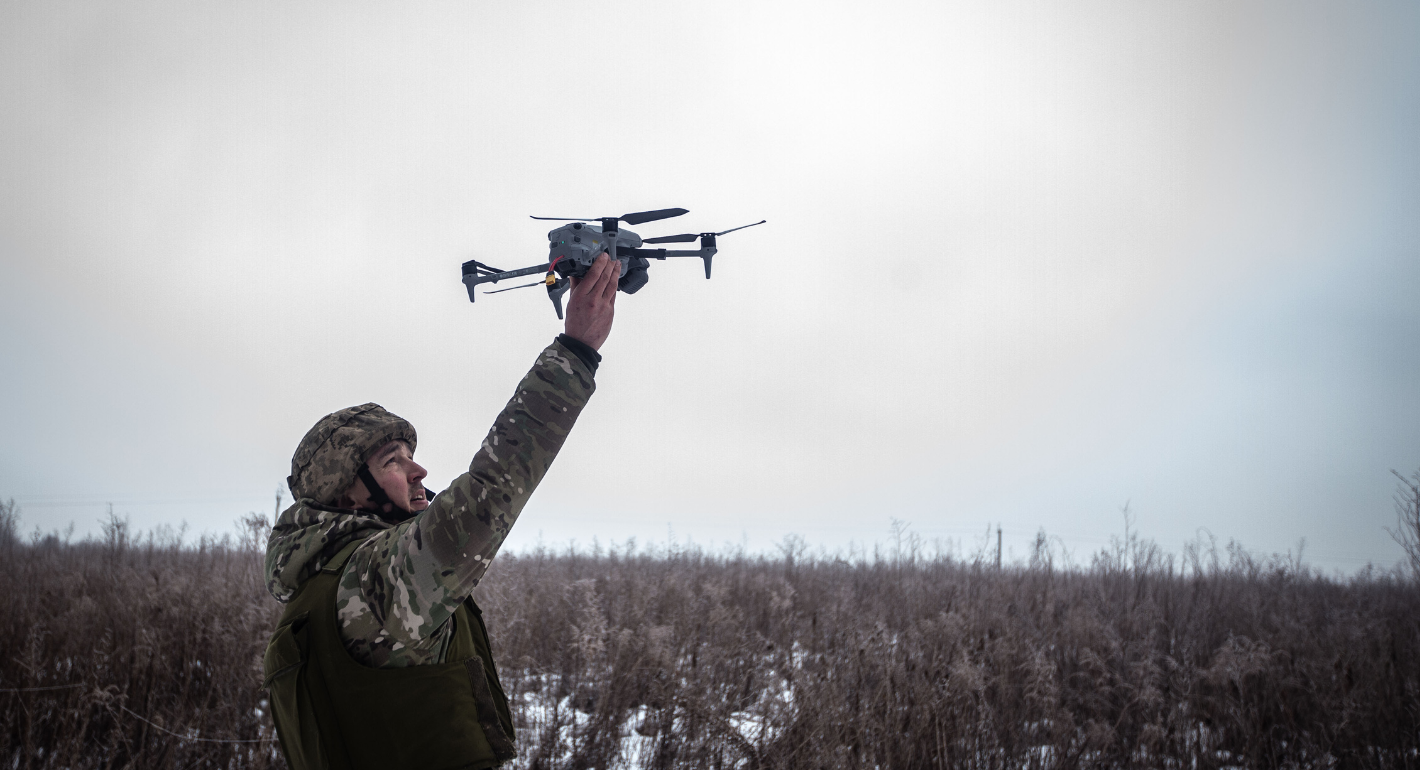
In Ukraine, Gaza, and Iran, AI warfare has come to dominate, with barely any oversight or accountability. Europe must lead the charge on the responsible use of new military technologies.

Raluca Csernatoni
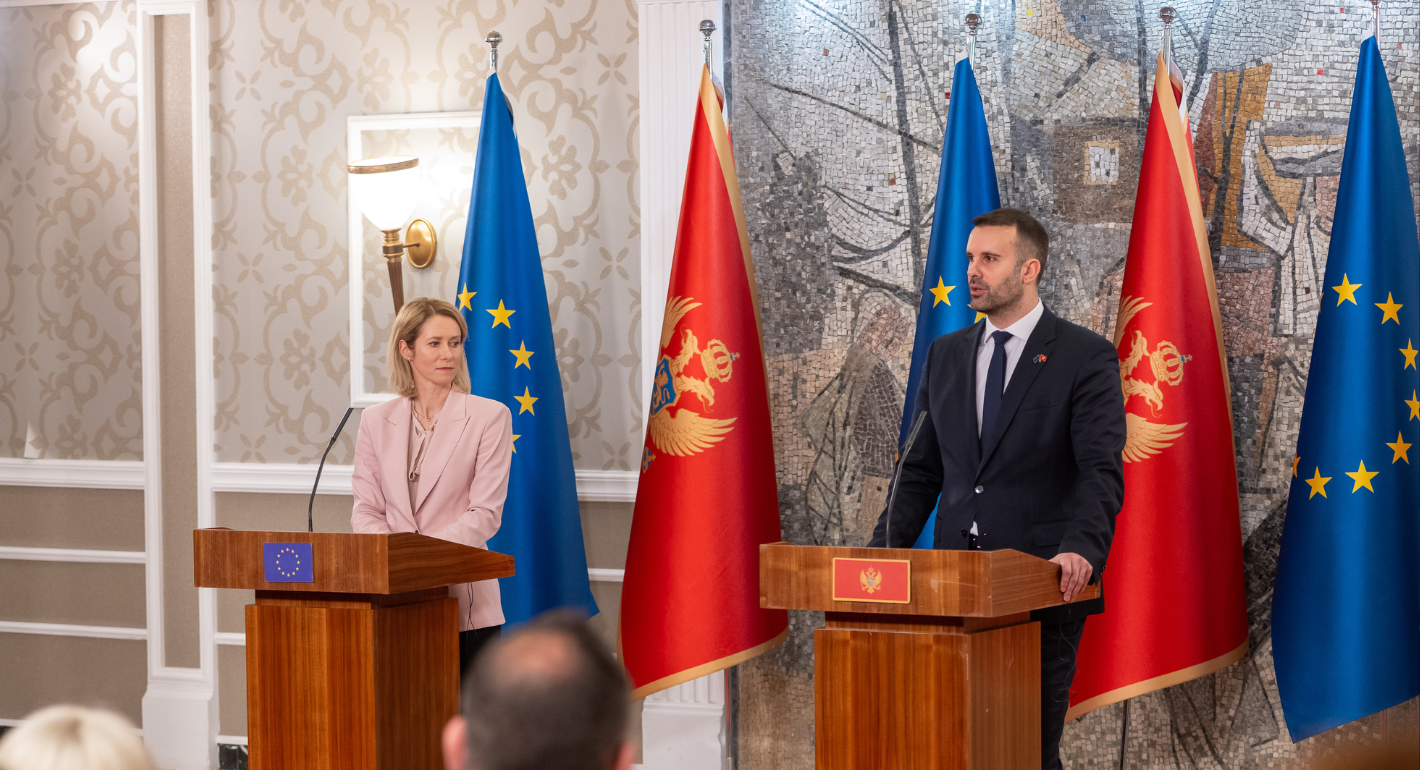
Montenegro and Albania are frontrunners for EU enlargement in the Western Balkans, but they can’t just sit back and wait. To meet their 2030 accession ambitions, they must make a strong positive case.


Dimitar Bechev, Iliriana Gjoni
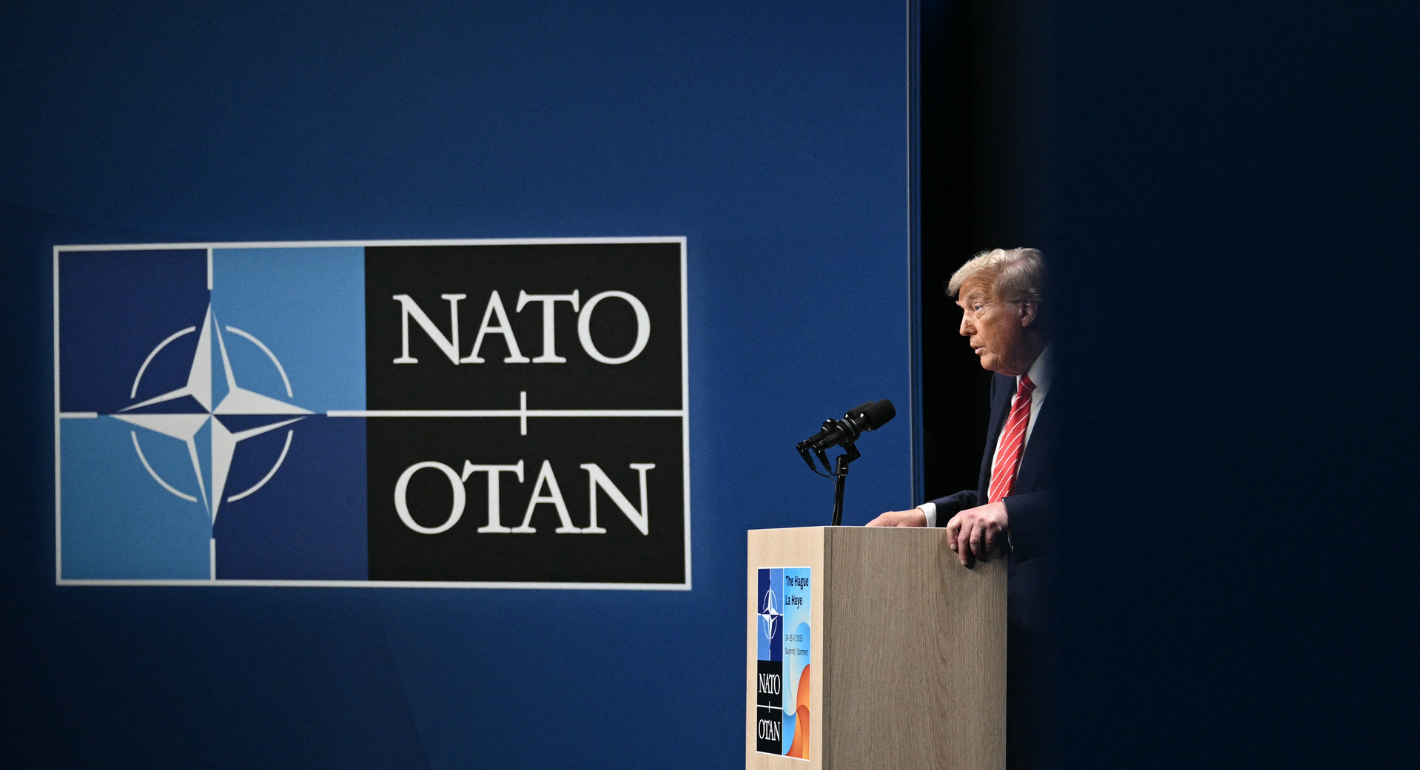
Donald Trump has repeatedly bashed NATO and European allies, threatening to annex Canada and Greenland and deploring their lack of enthusiasm for his war of choice in Iran. Is this latest round of abuse the final straw?
Rym Momtaz, ed.
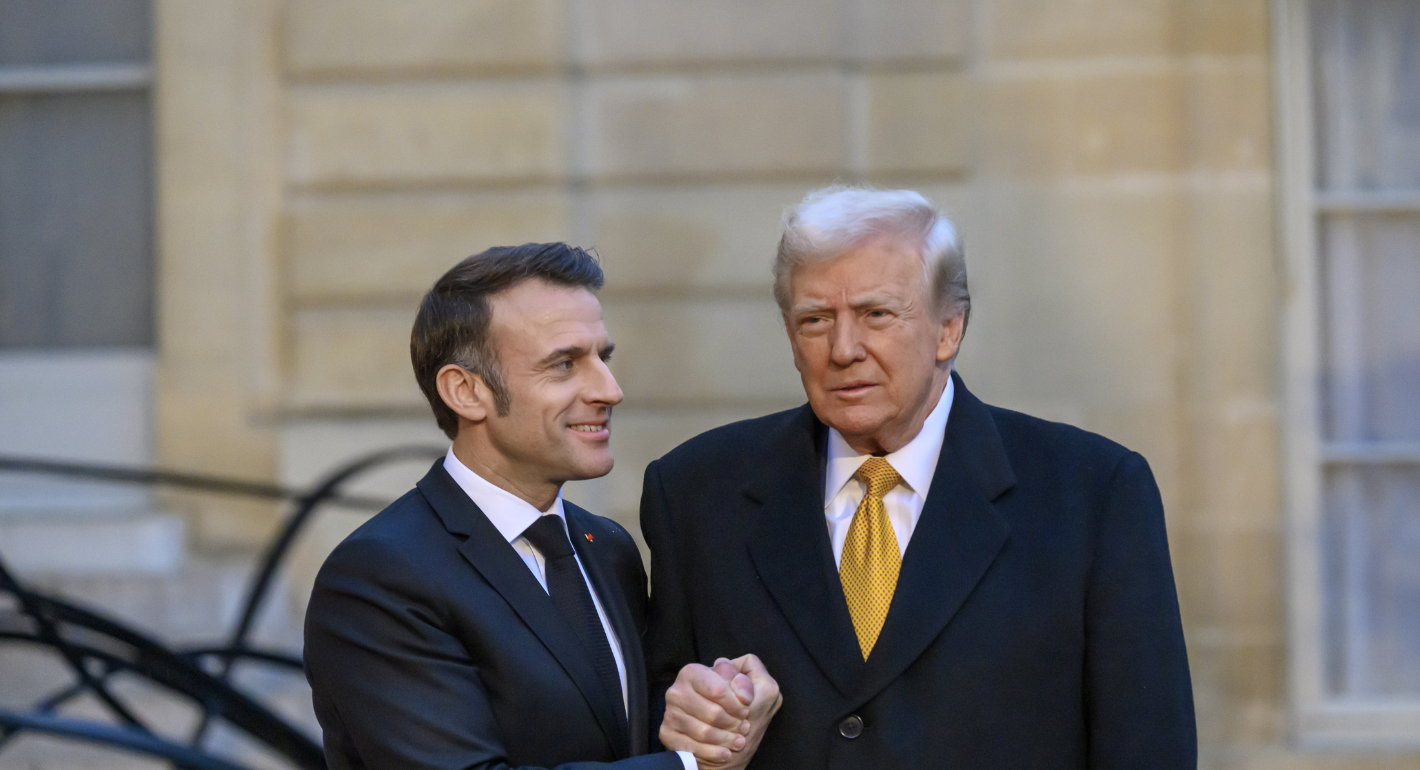
Donald Trump’s repudiation of NATO goes against the Make America Great Again vision of a U.S.-centered foreign policy. If the goal is to preserve the alliance by boosting Europe’s commitments, leaning into France’s vision is the most America First way forward.
Rym Momtaz
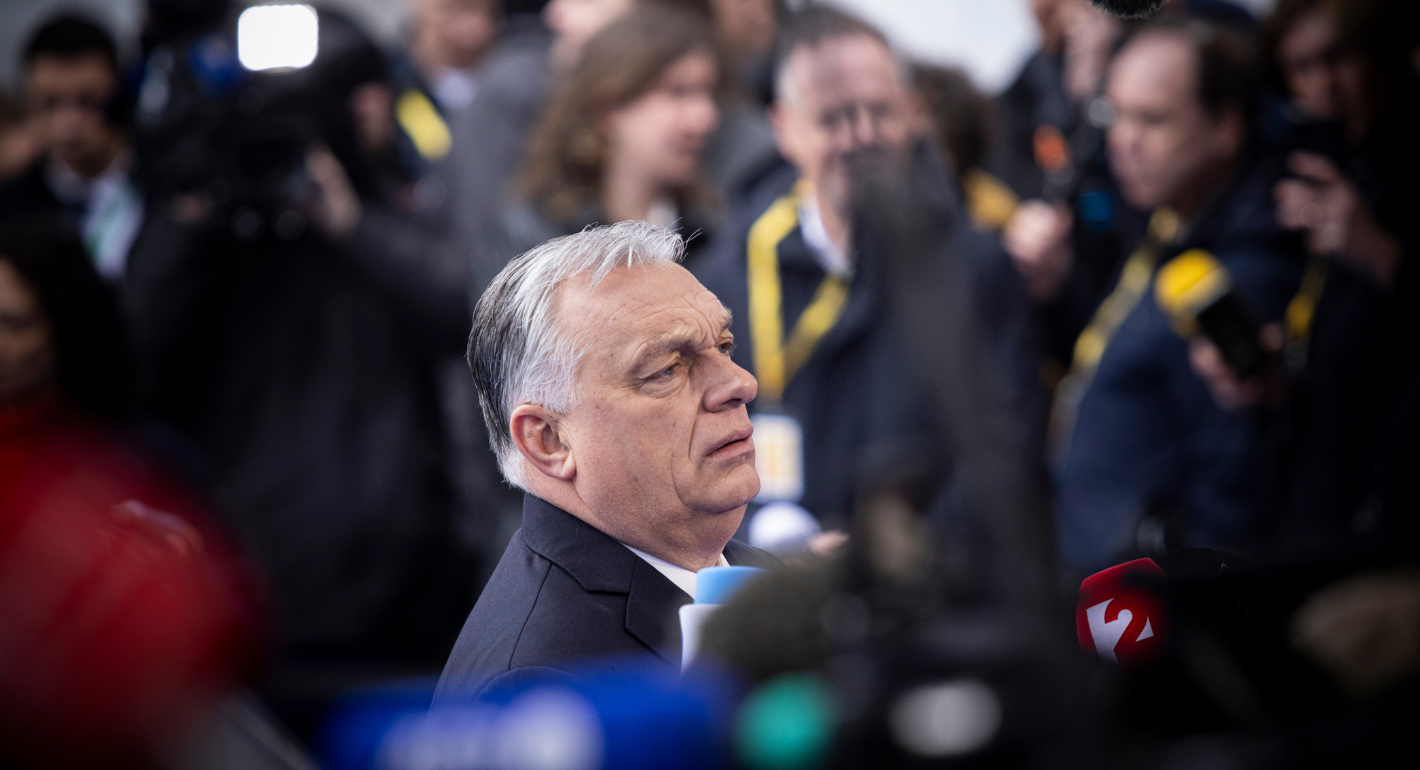
Hungarians head to the polls on April 12 for an election of national and European consequence. Three different outcomes are on the cards, each with their own implications for the EU.

Zsuzsanna Szelényi